
From BG3 to Divinity: Original Sin 2 - My Struggle as a Newcomer in 2025
Explore the compelling journey from Baldur's Gate 3 to Divinity: Original Sin 2, uncovering the intricate challenges of combat, quest design, and lore in this detailed RPG analysis.
When that trailer for the new Divinity game dropped at The Game Awards, I was glued to the screen, man. The sheer spectacle—the over-the-top fantasy, the visceral combat, that hint of chaos—it was pure, uncut Larian Studios magic. It didn't just hype me up; it made me realize I had unfinished business. See, Baldur's Gate 3 was my first Larian game, and let me be real: it didn't just capture my heart, it rewired my gaming brain. It’s the game for me. So, when the studio promised something even bigger with the next Divinity, I knew I had to go back and play the one that came before it. I finally booted up Divinity: Original Sin 2 in 2025, expecting to find the same soul in a different skin. What I found was... complicated.
I feel kinda bad saying this. Divinity: Original Sin 2 is objectively a masterpiece of craftsmanship. The systems are deep, the world of Rivellon is breathtakingly detailed, and the freedom it gives you is insane. But playing it after BG3? It feels like doing homework for a class I really want to love. I admire it, I respect it, but the joy? It’s hiding somewhere. Progress feels earned, sure, but rarely exhilarating. Winning a tough fight leaves me more drained than pumped. I keep waiting for that magical "click" moment, but so far, it’s playing hard to get.
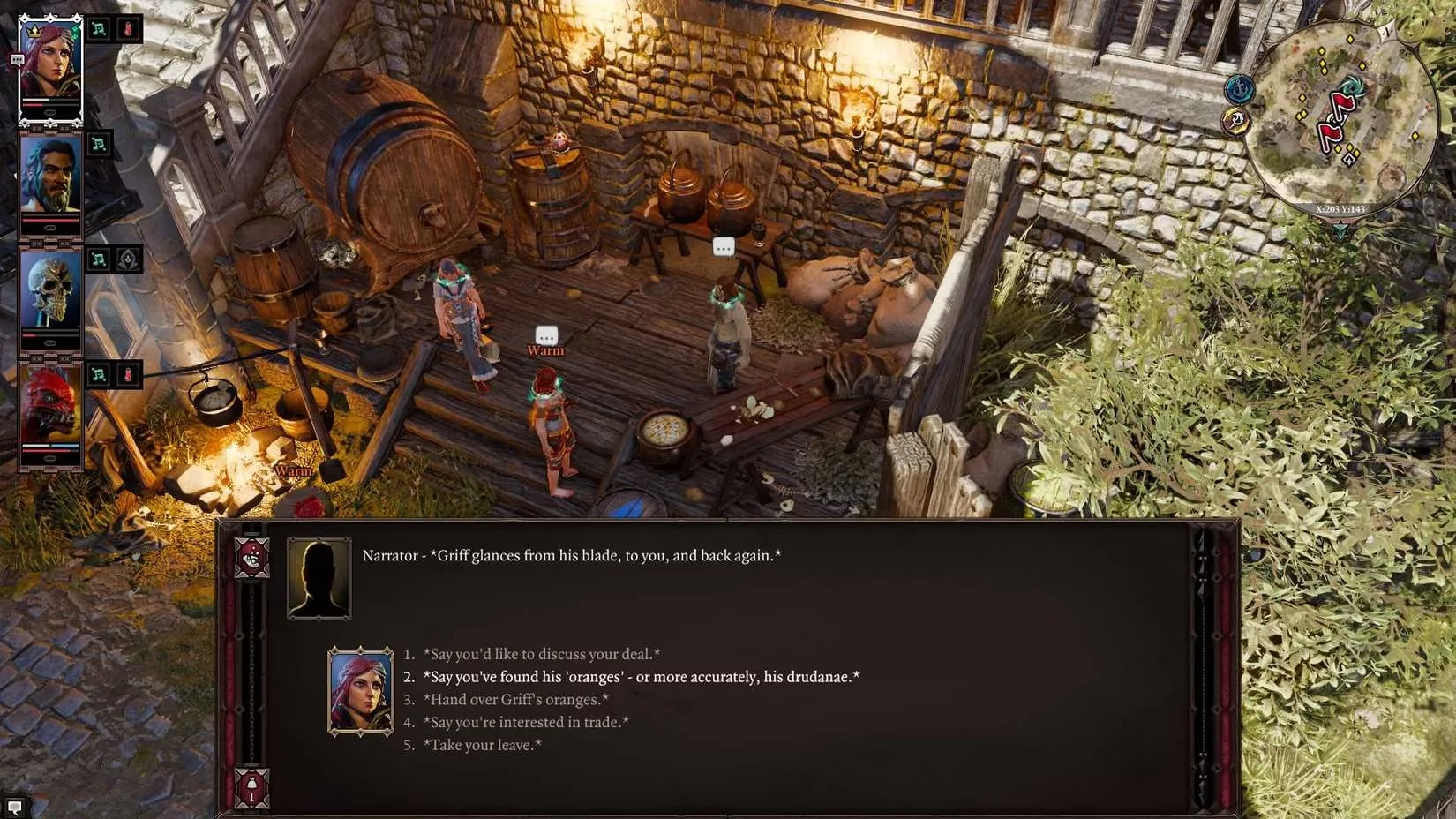
So, what’s the deal? Let me break down my struggles as a BG3 refugee diving into DOS2 in 2025:
1. The Brutal Learning Curve & Combat
I’m all for playing on Normal difficulty, you know? Just let me experience the story. But even on Classic mode, DOS2 feels like it’s out for blood. Total Party Wipes (TPWs) happen if you blink wrong. Enemy area-of-effect attacks feel like they cover the entire screen. The challenge often tips from "engaging" into "inconveniently punishing." It’s less about smart tactics and more about surviving the initial ambush.
2. Quest Design & The Fear of Missing Out (FOMO)
Okay, I’ll admit it: I get lost easily. I love talking to NPCs and exploring, but when a dozen quests are vying for my attention, I need a little guidance. DOS2 famously lacks clear quest markers. This is supposed to foster exploration, but for me, it just gives me massive FOMO. Am I missing a crucial clue? Did I walk past the key item? The anxiety is real!
3. Dense Lore Without a Lifeline
The lore in Rivellon is vast and complex—like, Tolkien-level dense. And that’s cool! But jumping into DOS2? It feels like tuning into a super complex TV show in its sixth season. Everyone else knows the lore, the inside jokes, the history... and I’m just sitting here, pausing the game every five minutes to read the wiki. Maybe I should’ve started with an earlier game, but hey, this is my journey now.
4. Where’s My "Ride or Die" Crew?
I live for RPG companions. Garrus from Mass Effect, Arthur Morgan’s gang in RDR2—these characters stay with you forever. My DOS2 party? They have interesting backstories... in theory. But have I found that one companion I’d follow to the end of the world? Not yet. The connection feels more transactional than emotional.
And honestly, a lot of this comes down to one thing: Baldur’s Gate 3 spoiled me rotten. It set a new standard, and playing DOS2 afterwards feels like going from a luxury car back to a manual transmission classic—it’s impressive, but you feel every bump.
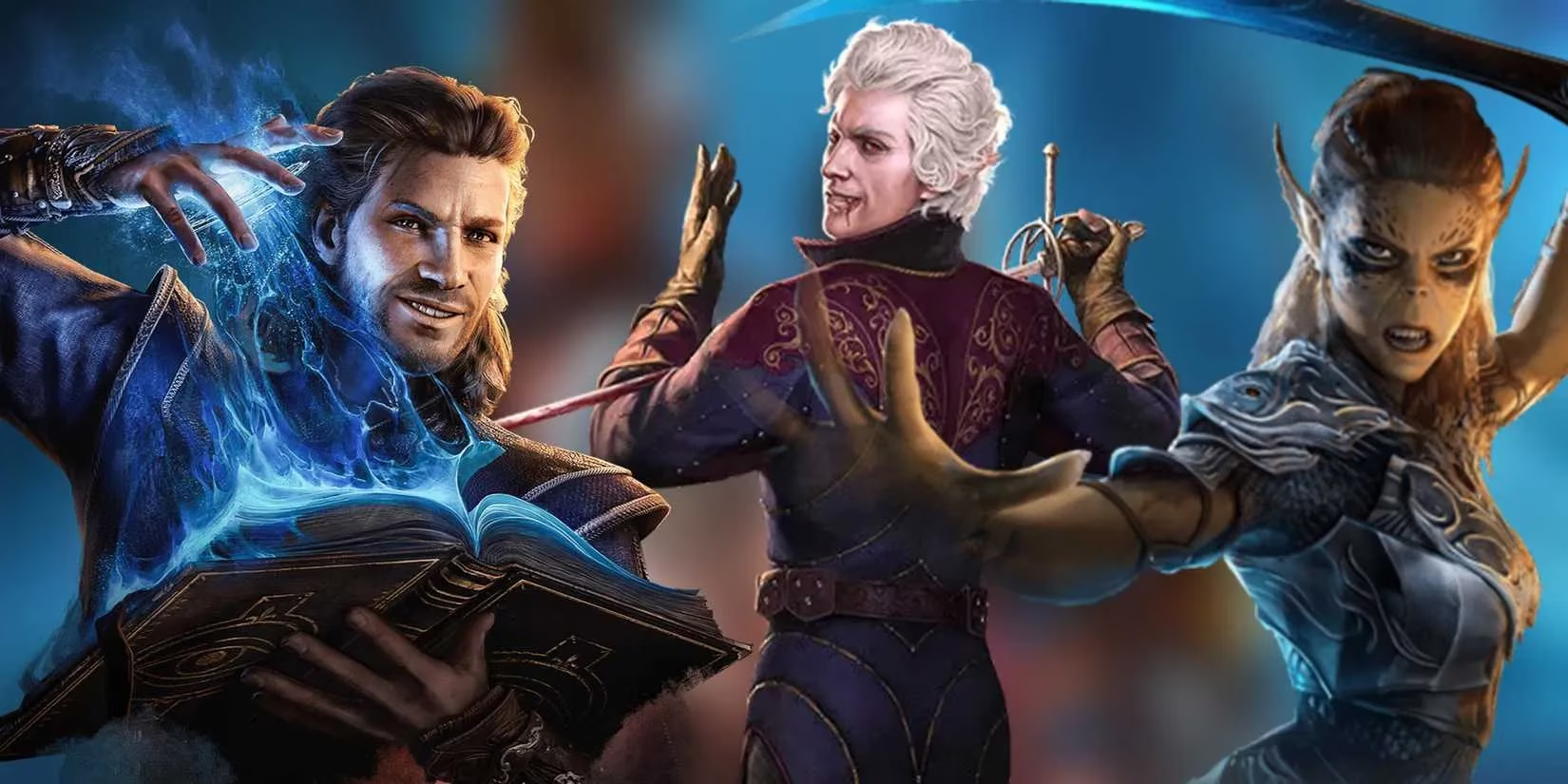
Let’s compare for a second, because the differences are stark:
-
Narrative Presentation: In BG3, talking to an NPC is an event. The camera zooms in, you see every expression, and you feel in the conversation. Cutscenes frame the big moments. In DOS2? There are no cutscenes in the same way. You’re often just observing the story from a fixed, distant angle. It creates a weird detachment—like you’re watching a play instead of being in it.
-
Party Bonding: My BG3 crew? Shadowheart, Astarion, Karlach... I’d take a bullet for any of them. Their absence would leave a hole. In DOS2, I like my party, but I’m not sure I’d miss them if they were gone. The emotional stakes just feel lower.
-
Creative Problem-Solving: DOS2 has great combat variety, but solving problems can start to feel samey. BG3, though? It hands you a gigantic toolbox and says, "Go nuts." You can talk, sneak, blow stuff up, use the environment in wild ways... it constantly rewards creativity and makes every playthrough feel unique, even after hundreds of hours.
Here’s my confession: I wish I had played DOS2 before BG3. Experiencing Larian’s evolution backwards has made the 2017 title feel harsher and less forgiving than it probably is. BG3 didn’t just raise the bar; it changed my DNA as a player. It reshaped how I connect with characters, how much friction I’ll tolerate, and how quickly I expect a game to meet me halfway.
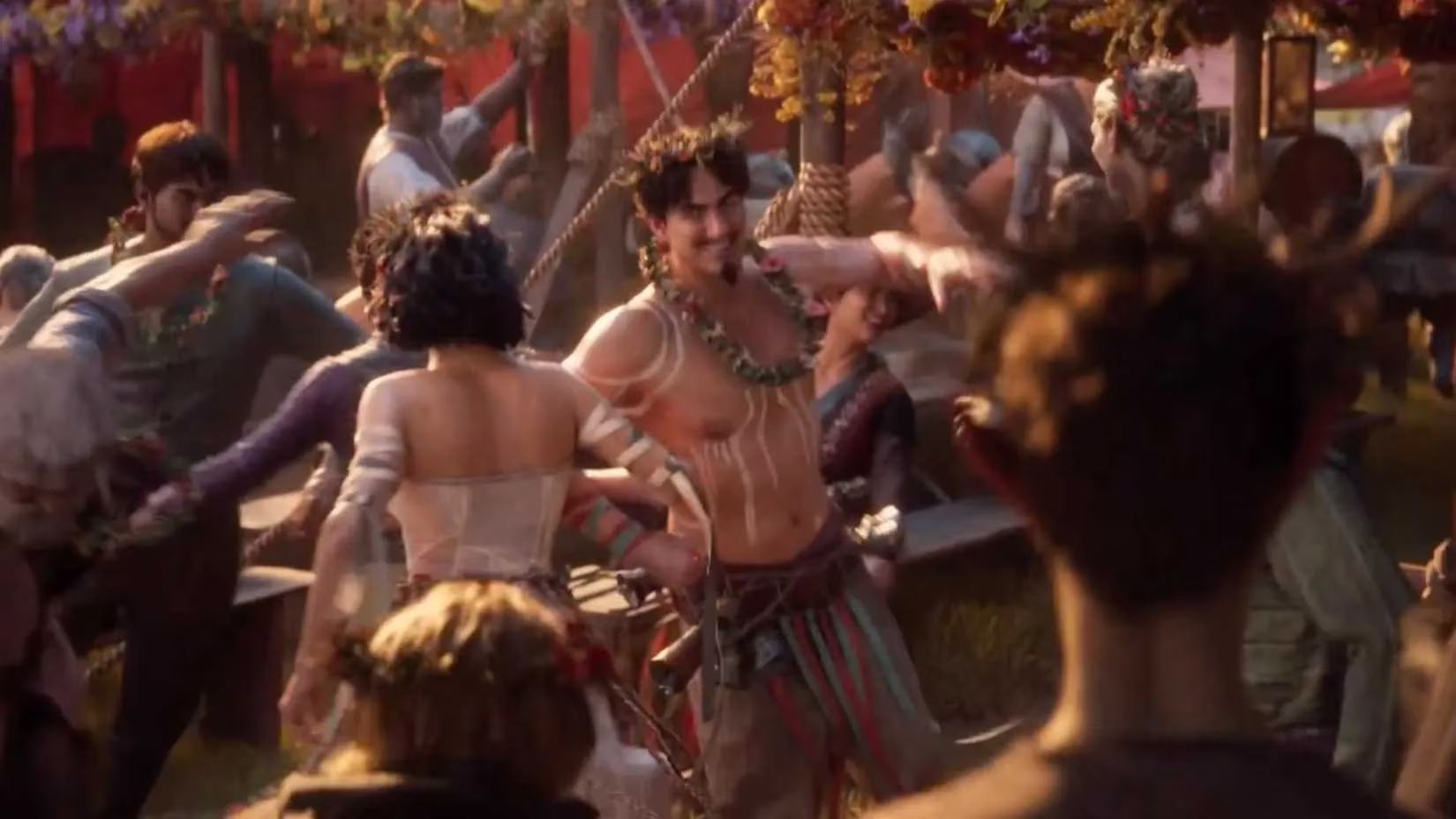
But let’s be clear: this isn’t a roast of Divinity: Original Sin 2. Far from it. If anything, my struggle is the highest compliment to Baldur’s Gate 3. It showed me that Larian Studios is capable of monumental growth. So, when they say the next Divinity will be "bigger and better than BG3," I’m not worried. I’m impatient.
DOS2 may not have been my perfect entry point into this older branch of Larian’s world, but it accomplished one crucial thing: it solidified my faith. Wherever Larian goes next—whether it’s deeper into the Forgotten Realms or back to the shores of Rivellon—I’ll be there on day one. My expectations are forever changed, but my excitement? That’s only gotten bigger. The journey might be rough, but the destination, with Larian at the helm, is always worth it. Now, if you'll excuse me, I have some more homework in Fort Joy to attend to... wish me luck! 😅